Natural resource restoration is often a complex topic, rarely defined by “right and wrong”. While we may work to improve habitat or population numbers of certain species, others may struggle under the modified ecosystem. For that reason, science doesn’t lend itself to a formal agenda.
Take the case of the proposed restoration of the Ockalawaha River in central Florida, where data is being presented in a condensed version in order to influence the public.
As a transparent, science-led organization, Mighty River Recovery finds it important to present this issue in a clear, comprehensive manner. As our work forces on the health and resilience of the St. Johns River, impacts to the Ocklawaha River, a massive tributary, will impact the entire watershed.
For that reason, we thoroughly examined popular material on this subject and combined it with the experience and knowledge of our staff, made up of fisheries scientists, biologists and advocates with thousands of hours on the rivers of central Florida.
Here, we focus on materials presented under the proposed action of Ocklawaha River Restoration discussed in the 2001 Final Environmental Impact Statement by the USFS (2001 EIS) later condensed in the 2025 Ocklawaha River Restoration: Science and Economics Report by White et.al. and included in various reports by the Florida FWC and St. Johns River Water management District (SJRWMD)
Our goal is to provide you with transparent information as reported in these publications, combined with our field experience and observations.
In this section, we break down our analysis of Ocklawaha River restoration as it pertains to impacts to fish and wildlife populations and habitat.
*We will also reference areas where misleading information has been presented so readers can steer clear in their interpretation.
Wildlife Population and Habitat Impacts:
Breaching of the Kirkpatrick Dam and subsequent removal of Rodman Reservoir will greatly alter fish and wildlife habitat and affect populations. We view this as a matter of scientific fact, rather than as wins and losses. Both ecosystems - riverine and reservoir - support diverse habitat for important species. However, changing from one to the next will not come without impacts. We feel additional consideration must be given to:
Wading birds:
Twelve species of special of concern likely occur in the project area, including herons, egrets, ospreys, ducks, rails and limpkin. The loss of aquatic foraging habitat under partial restoration is likely to result in a decrease in many of these species. This is specifically outlined in the 2001 EIS.
All of these species are protected under the Migratory Bird Treaty Act, requiring policy compliance and consultation with the USFWS, all of which are public record. We have not seen evidence of this compliance.
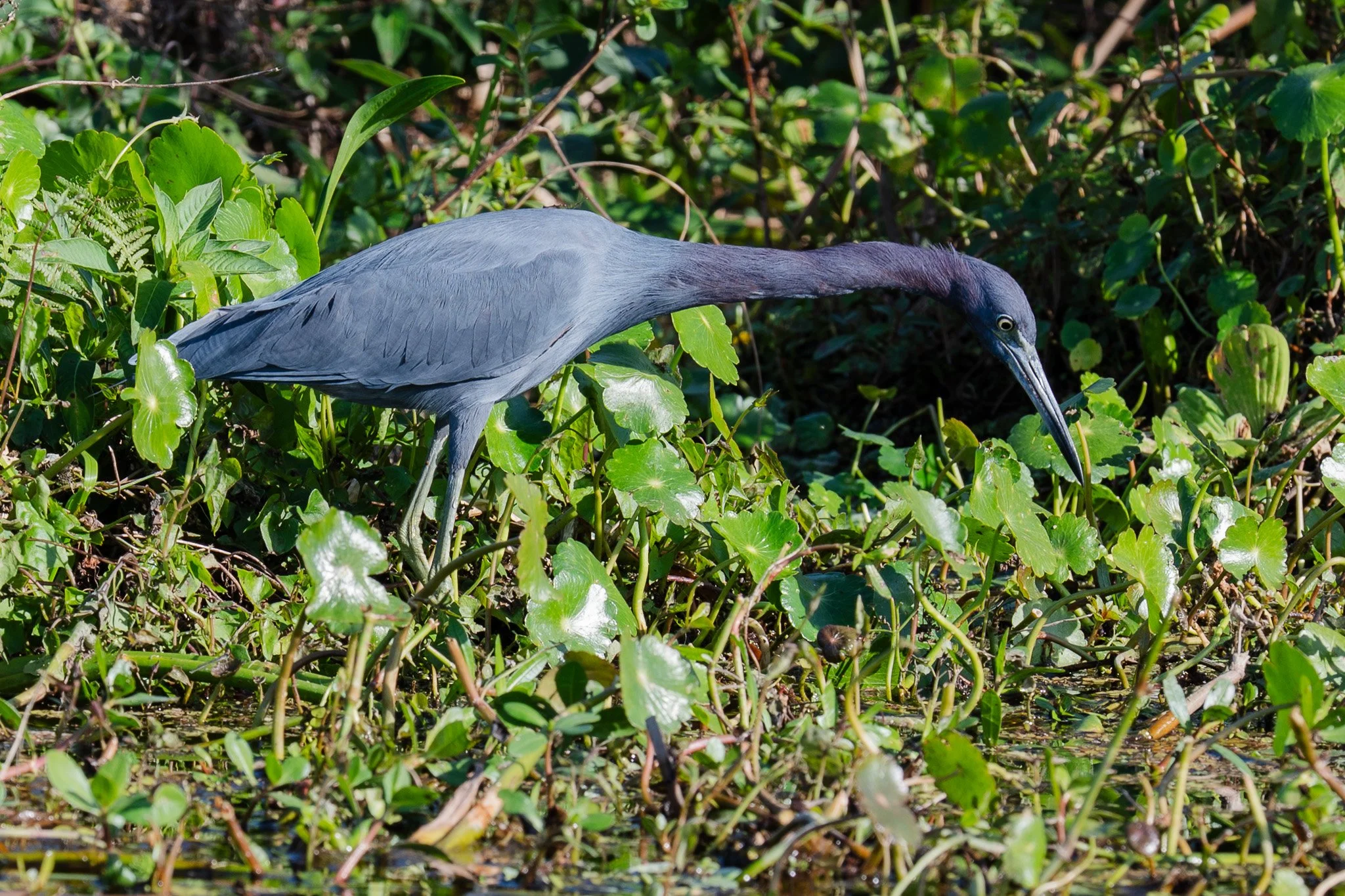
Rodman Reservoir offers considerable habitat for wading birds
Migratory waterfowl:
Our organization believes that removal of Rodman Reservoir, an important corridor for migratory waterfowl, will immediately reduce waterfowl numbers in the region, as a restored riverine environmental will not support these birds in the same numbers.
Bald eagles:
The initial 2001 EIS review discusses negligible impacts to bald eagles as a result of the proposed action, as only one bald eagle nest was found within the project area at the time. Today, however, 27 bald eagles nests occur around Rodman Reservoir (reference: Audubon nest map). In contrast, zero eagle nests occur above or below the reservoir adjacent to the Ocklawaha River, as this narrow riverine environment does not support bald eagles. Displacement of eagle populations to this extent requires compliance with numerous agencies and policies, something our organization has not seen demonstrated.
Alligators:
Much like bald eagles, alligators thrive in the habitat provided by Rodman Reservoir. Alligator populations there are estimated to exceed 3000 animals. In addition, “Habitat for reservoir-dependent reptile and amphibian species will reduce, alligator densities may change” (2001EIS) in a restored Ocklawaha River.
While the Ocklawaha River also supports alligators, we believe habitat there will not support the current population density or size of animals on the reservoir, requiring consideration for this impact.
Native fish:
Both the riverine (proposed) and reservoir (current) ecosystems support healthy fish populations. The 2001 EIS showed that “Fish biomass is greater in reservoir than elsewhere” and “In general, fish densities are expected to decrease…” under the proposed action. This is to be expected in the changing ecosystem.
Historic populations of migratory fish like striped bass have been shown to exist prior to the erection of Kirkpatrick Dam and may likely increase with the proposed action, while populations of largemouth bass, black crappie and many sunfishes will likely decrease, we believe.
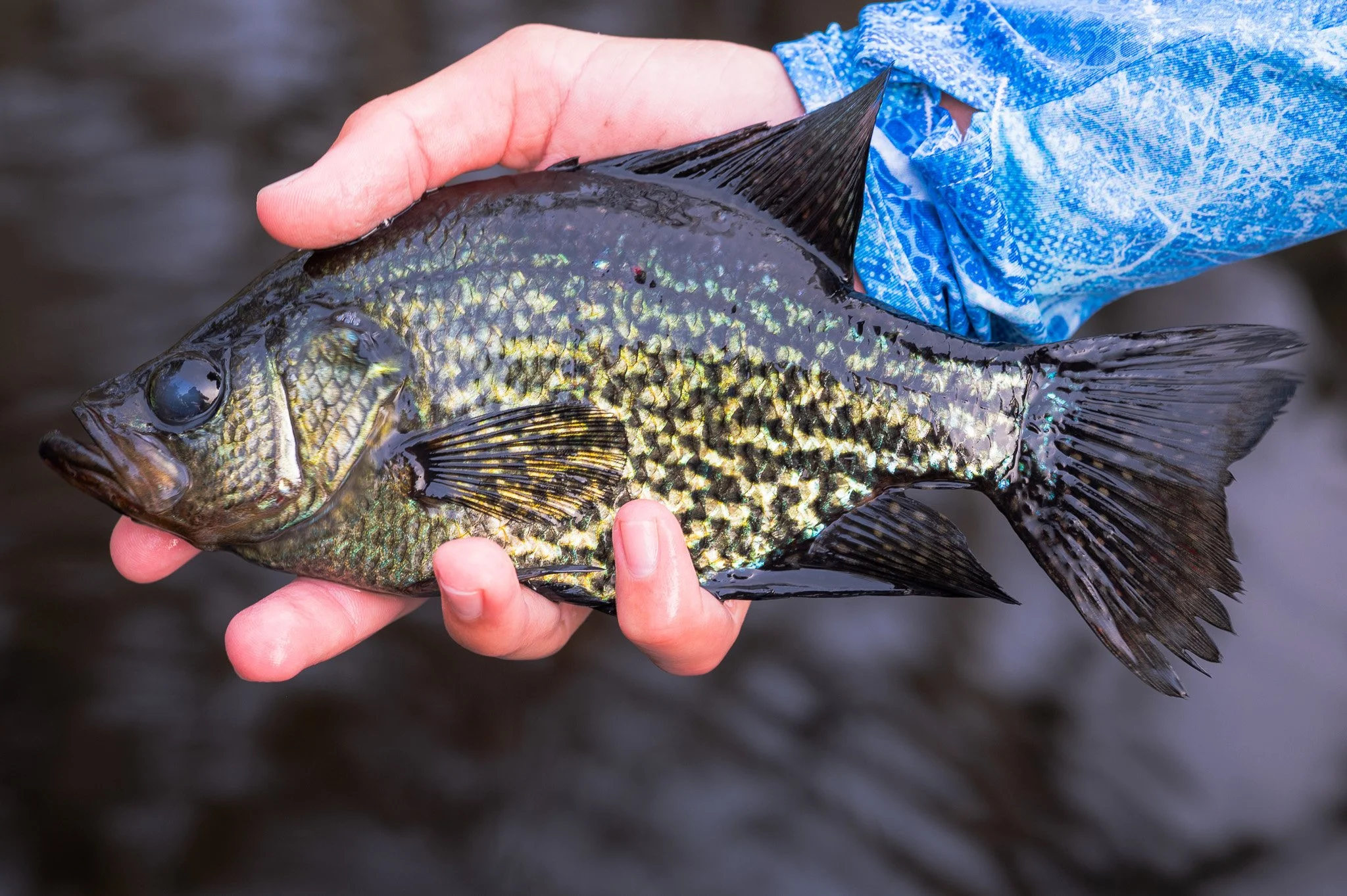
Populations of popular gamefish, like black crappie, will likely decrease under a restored Ocklawaha River. Populations of historic migratory species, like striped bass, may increase.
Invasive fish:
Tilapia and other invasive fish currently inhabit the Ocklawaha and St. Johns River systems at unparalleled levels. Our organization believes more must be done to research the impacts of these fish.
*Misleading information exists tying Ocklawaha River restoration with a proposed decrease in invasive fish populations in the Silver River. As evidence by explosive growth of these fish in all parts of the St. Johns system, including within unimpeded spring systems like Volusia Blue Spring, our organization believes the proposed action will not reduce invasive fish populations in any way.
Endangered Species
Florida panthers:
*Misleading Information has been presented in numerous reports regarding potential panther habitat expansion in the project area. This has no relevance. Further review of the Florida Panther Recovery plan provides no reference or intention of panther reintroduction in this area whatsoever.
As outlined by the USFS in the 2001 EIS: “the habitat is not suitable for the Florida panther, and the Rodman Reservoir area is not considered a potential panther reintroduction site… due to the density of human development within the Ocala National Forest.”
Manatees:
Our organization believes breaching of the Kirkpatrick Dam will increase manatee access to the Ocklawaha and Silver Rivers and increase thermal refuges to these animals. This could lead to an increase in manatee population numbers throughout the St. Johns River system.
*Misleading information has been presented tying thermal refuge expansion with an overall increase in habitat. It should be noted that an increase in thermal refuge habitat does not always constitute an increase in forage or foraging habitat. In addition, our organization believes more must be done to research potential manatee impacts on the Silver and Ocklawaha Rivers under the proposed action.
Aquatic Vegetation and Habitat:
With a change from reservoir to riverine conditions, habitat will be impacted. Rodman Reservoir supports large areas of herbaceous wetlands, while the Ocklawaha River system (current or restored) is primarily hardwood swamp. Both offer vital benefits to our ecosystem and each also provides habitat to a unique group of plants and wildlife.
*Misleading information exists in regard to impacts to submerged aquatic vegetation by the proposed action, attempting to tie Ocklawaha River restoration to renewal of eelgrass throughout the system. Our organization is heavily involved in eelgrass restoration and disagrees with any correlation. Eelgrass loss throughout the St. Johns and Ocklawaha Rivers has been shown to be the result of poor management, turbidity increases and herbivore impacts. We believe that the proposed project will not lead to any gains in SAV abundance throughout the system in its current state, and may be detrimental to SAV remaining in the Silver River. This issue needs more research prior to the proposed action.
In addition to SAV impacts, Rodman Reservoir currently includes large amounts of emergent and floating vegetation which plays a key role to many species. A restored Ocklawaha River will not provide this type of vegetation as evident by waters above and below the reservoir. We believe this needs to be further explored as species dependent on this habitat will be impacted.
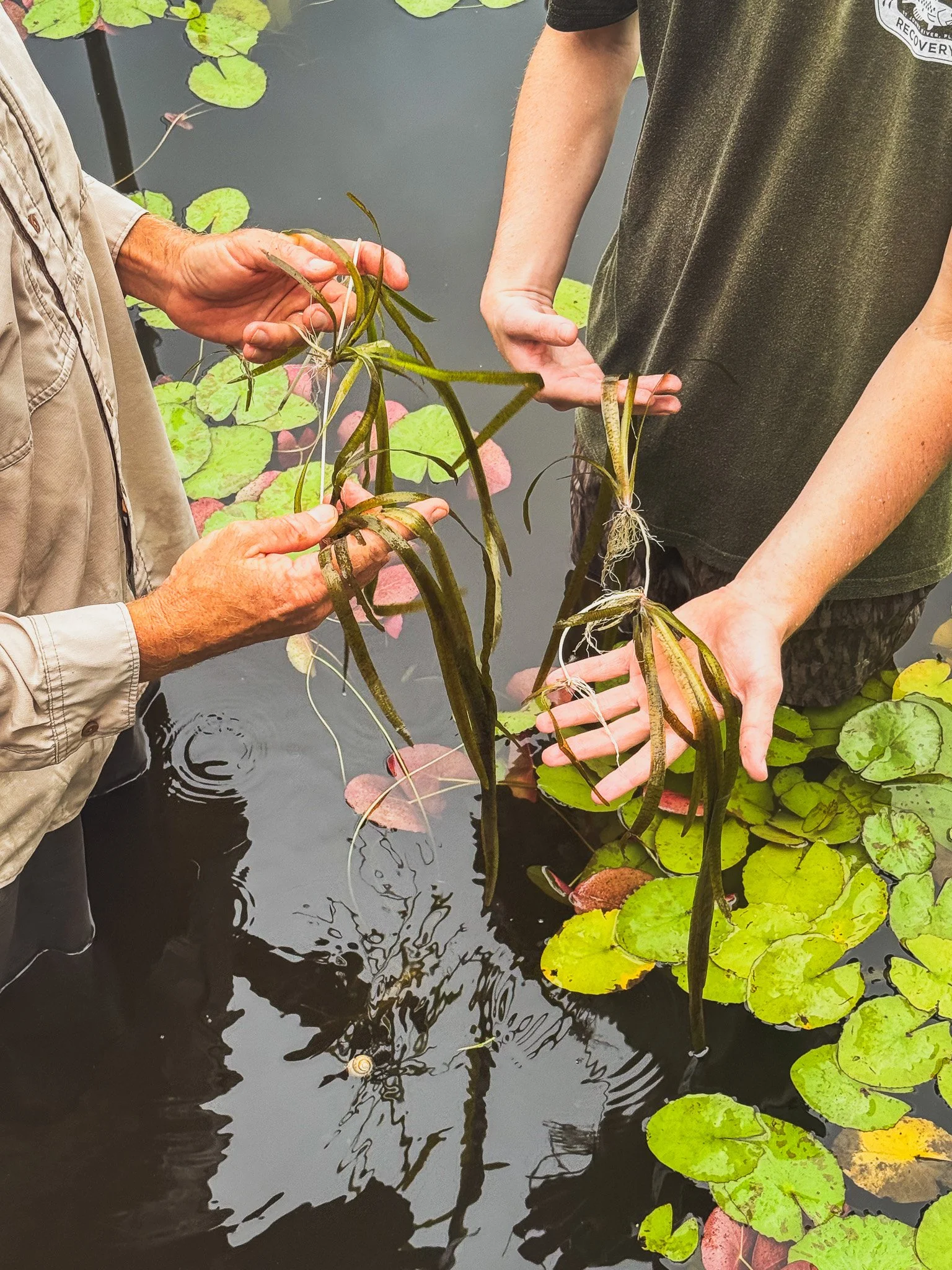
Our organization works more on freshwater vegetation restoration than any in Florida
Habitat management:
Under the proposed action, our organization believes the amount of invasive plant management necessary to control problem vegetation will be reduced, as outlined in numerous reports. It’s important to point out, however, that current herbicide management does not represent best practices for the ecosystem as a whole. In addition, impacts of plants in regard to water quality must be considered.
A final note: our organization did not investigate economic impacts, project costs, impacts to personal property, flooding, costs associated with dam operation or recreational changes. We felt these issues were out of our area of expertise and subject to interpretation.
For more information on potential impacts to water quality or flow under the proposed action, we invite readers to see part one in this series.