As we begin expansion of our work in 2026, it’s a great time to reflect on findings from last season. This allows us to bring our members up to date and dive into the details behind efforts to restore the St. Johns River. First, the facts: For decades, the St. Johns River has suffered environmental decline, leading to losses in fish and wildlife habitat, poor water quality, reduced interest, tourism and economic value. Consider the following:
Gamefish numbers for many parts of the river are the lowest on historical record.
Algae blooms - often toxic - are occurring earlier and at concerning rates.
Over 95% of all submerged aquatic vegetation (SAV) has been lost in the St. Johns River.
Tourism declines - most notably focused on fishing - are some of the worst in Florida.
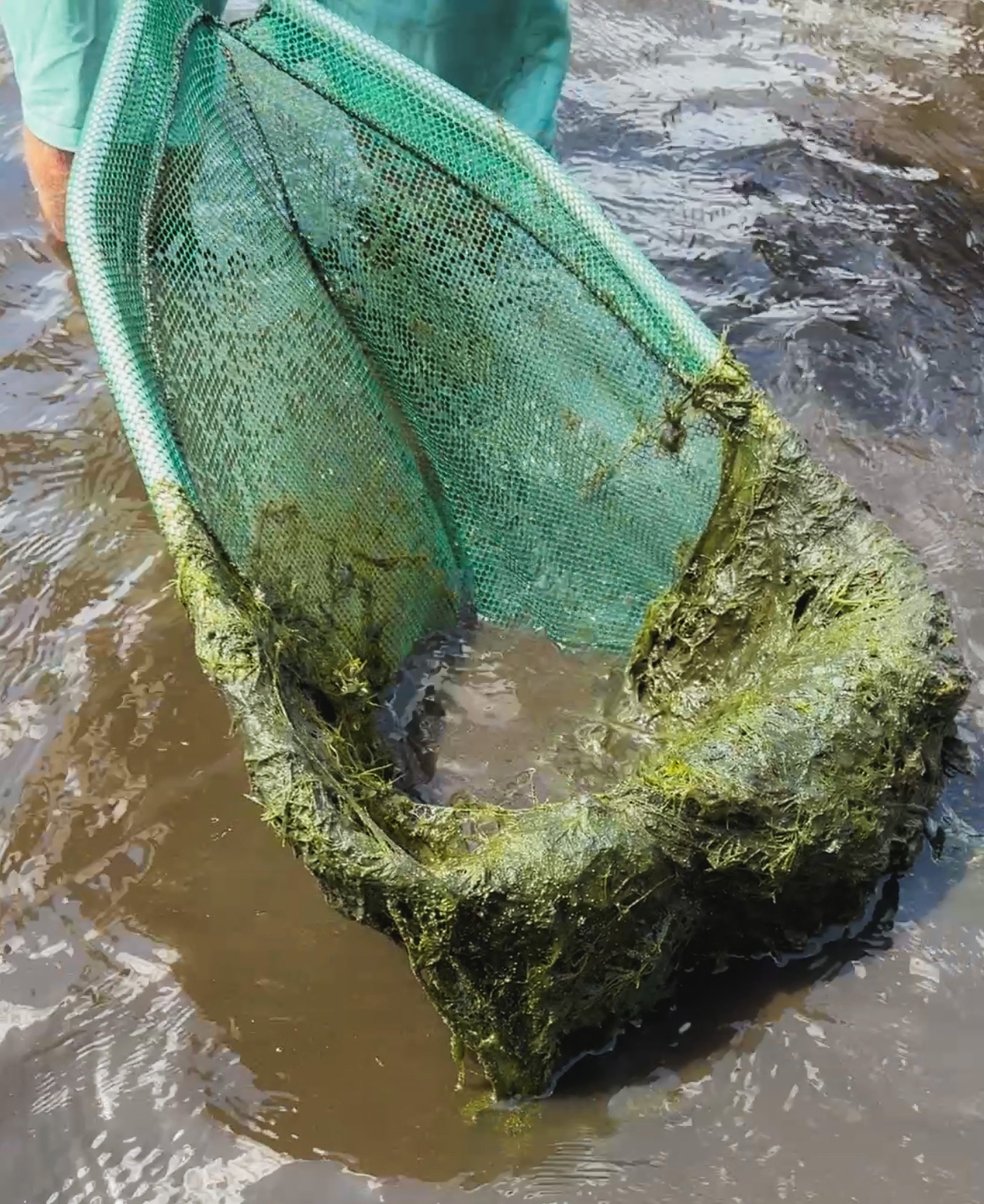
Muddy water and algae blooms: today’s St. Johns River
How did we get here? As a result of poor planning, even worse management and a lack of attention from our representatives.
How do we get out? By forming the biggest, boldest organization possible, insisting on a new future backed by science.
In 2025, we designed the Citizen Enclosure Project (CEP). This intense, hands-on program includes construction of six test stations around the middle basin of the St. Johns River, allowing our group to study the causes of these declines, paving the way for a scientifically-proven future plan.
The 2025 CEP initiative showcased diverse outcomes. Vegetation growth was robust in parts of Lakes Dexter and Woodruff, while other areas struggled. Herbicide testing revealed no chemicals in the resource, yet declines related to chemical use still run rampant. And water quality issues occurred sporadically, hitting hard with damaging algae blooms in puzzling ways.
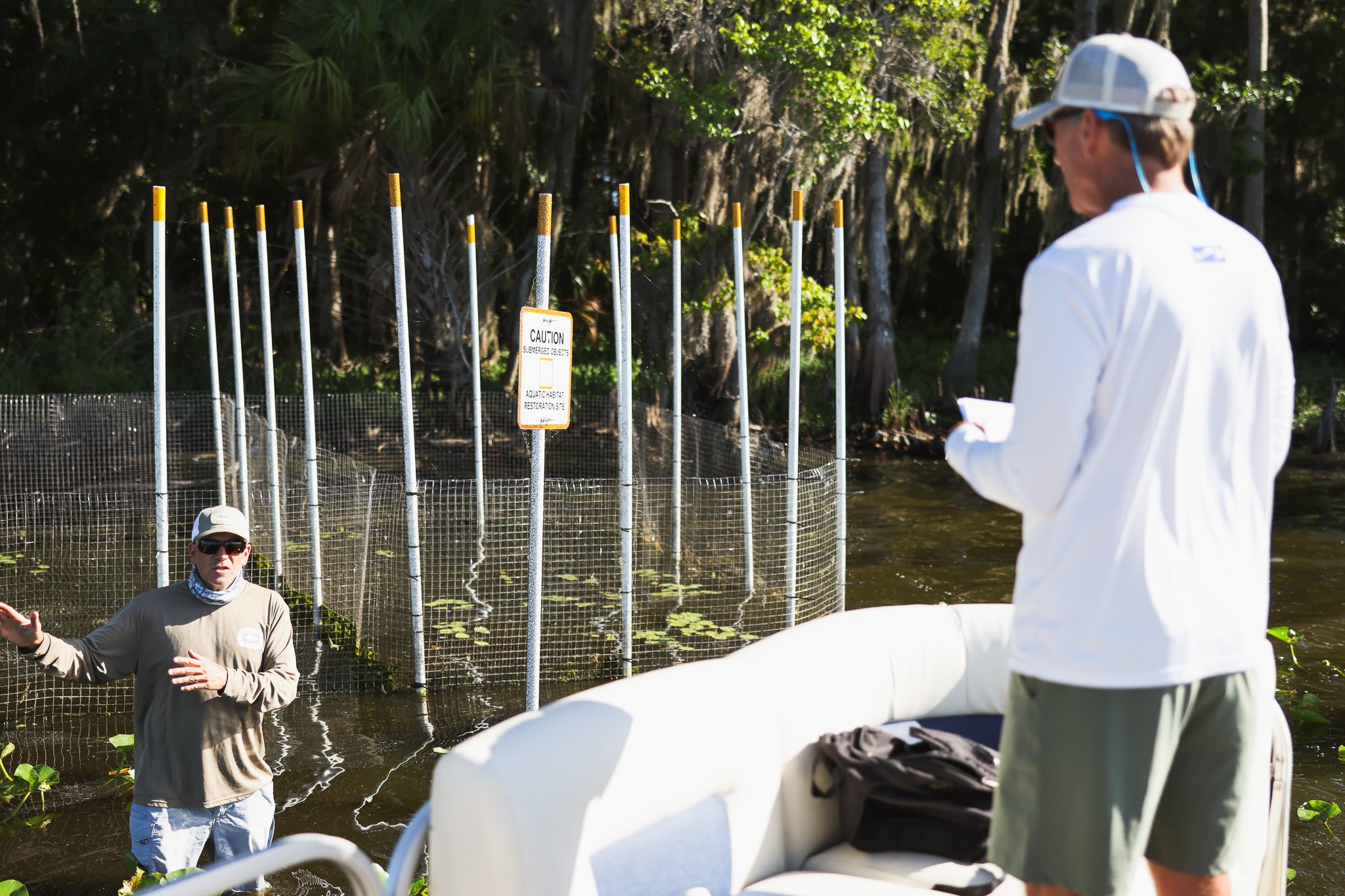
The CEP Research stations showcase the issues facing the St. John River
So what did we learn? After a year of intense study and hundreds of hours on the water, the CEP demonstrated:
1. Invasive fish - notably tilapia - have reached catastrophic numbers in many areas of the St. Johns River. Our sampling efforts demonstrated times when tilapia comprised 95% of all fish biomass in the shallow areas of our lakes, a scary statistic.
Just as concerning: the state has no plan in place to manage tilapia or even study their impacts on the St. Johns River. We’ll be pushing to get this issue addressed.
2. Our herbicide testing (the only being done in freshwater Florida) reveled no residual chemicals, however our research demonstrated a damaging component of long-term herbicide use: turbidity. Turbidity is the measurement of water clarity - a factor that’s reduced when material gets suspended in water. Cloudy, turbid water reduces the ability for bottom-rooted plants (SAV) to grow. Without those plants, filtration of turbidity is impossible, leading to a vicious cycle of dirty water prone to algae blooms.
Our research shows that turbidity is one of the leading causes of SAV fall-out on the St. Johns River and that turbidity is substantially fueled by herbicide use. We’ll be covering more on this in future blogs and posts but know: until managers like the US Army Corps of Engineers begin manually removing plants from the St. Johns River, rather than killing those plants with herbicide and leaving them within the resource, our problems will only get worse.
3. Declines throughout the St. Johns River cannot be simplified into one smoking gun. Loss of valuable habitat and deteriorating water quality has occurred river-wide, yet it appears the prominent causes may be unique to each area. For example, while herbivores (grass-eaters like turtles) are proving to be a nemesis in Lake George, our research shows they can’t blamed for the same losses in Puzzle Lake.
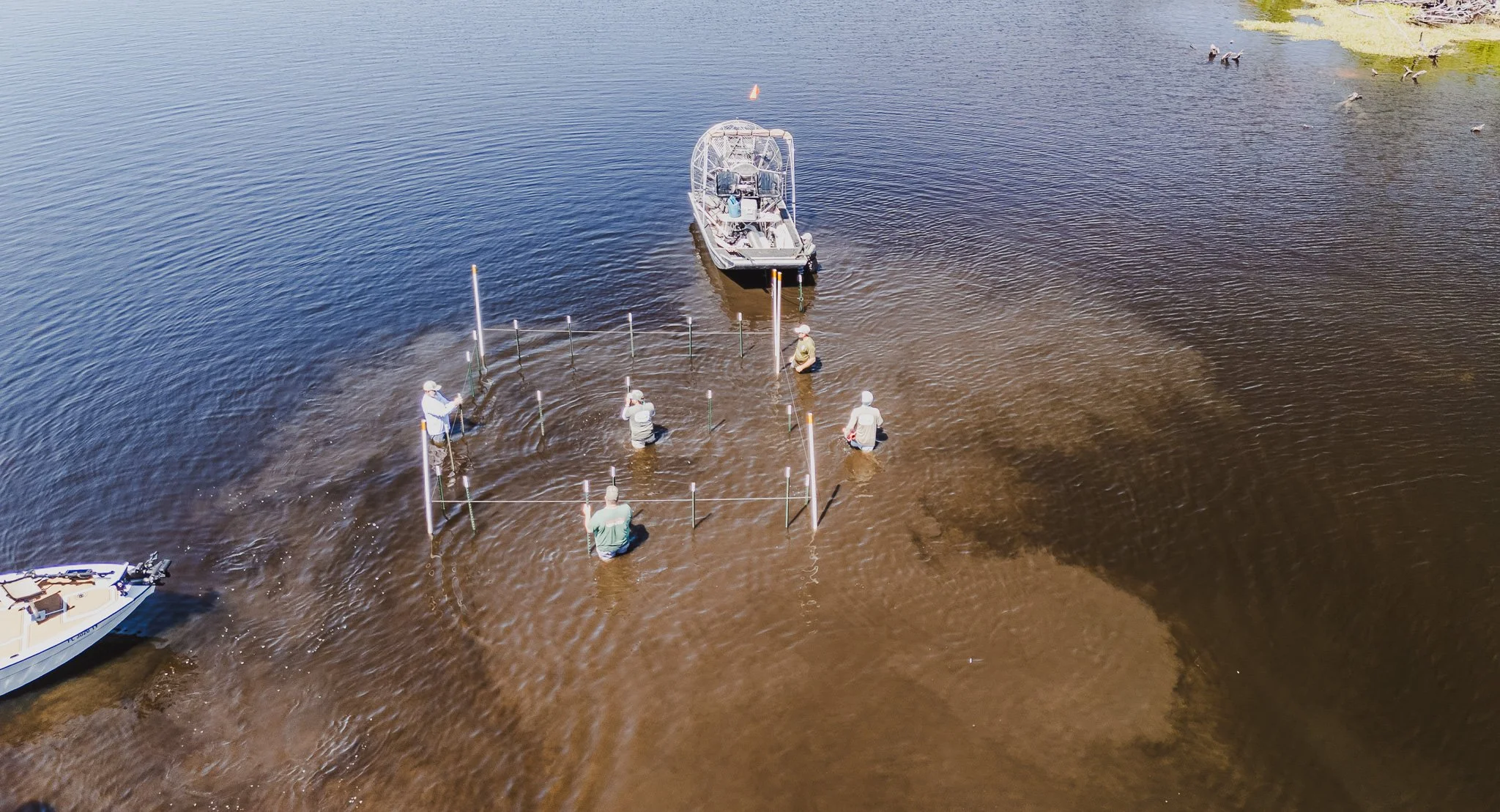
Long-term herbicide use has led to catastrophic turbidity problems on the St. Johns
We’re addressing declines across the entire river and advocating for a restored, resilient future. This will take significant research and a strong voice to insist on change.
That’s where you come in. There are a number of ways to help Mighty River Recovery succeed. Become a member, follow us on social media, purchase merchandise or donate. Everything increases our reach and effectiveness.
We created this organization for you, allowing you to demand a new way forward for freshwater Florida. Remember, together we are MIGHTY.
