Once again, reports confirm: nutrient pollution is a leading problem along the St. Johns River. Recently, the agency in charge of clean water - the St. Johns River Water Management District (SJRWMD) - released plans for the middle and lower basins of the river. In each case, nutrient loading remained “the central water quality concern.”
So what does that mean, and why are “nutrients” such a bad thing? Even more, why does this subject seem to be a revolving door?
First, let’s establish the basics. Nutrients are those natural chemical components necessary for life. They’re the building blocks of nature. We often add nutrients like nitrogen and phosphorus to our gardens to increase yield. Our waterways contain these nutrients, too, stimulating growth of aquatic plants.
The problem comes when nutrient levels reach unhealthy levels. Agricultural loading, waste-water discharges, stormwater run-off and industry add nutrients to our system at damaging levels. These once-desirable components, then, become nutrient pollution.

We test nutrients and water quality parameters routinely throughout the St. Johns River.
That’s what’s happening all across Florida. Most of our waterbodies contain excess nutrients from a variety of sources. In fact, Florida now contains more nutrient-polluted water than any state in the country.
For that reason, resource managers are always looking for ways to get nutrients out. Our organization meets with the SJRWMD and reviews management plans regularly. This year, we’re aware of 17 projects being considered for nutrient reduction in the middle and lower basins alone.
This all sounds like good news, as every bit of nutrient-reduction is helpful. But further review reveals an elephant in the room.
The use of aquatic herbicides on the St. Johns River leads to more drastic nutrient pollution than any other source, yet is overlooked in every management plan.
We make this bold claim with confidence because we’ve done the work that proves it. Beginning in 2024, Mighty River Recovery set out to determine the real impacts herbicides have on our waterways. We’re truly pioneers in this concept, as no other group - not our fish and wildlife agency, water management districts, federal mangers or other nonprofits - has ever studied the eco-affects of these chemicals.
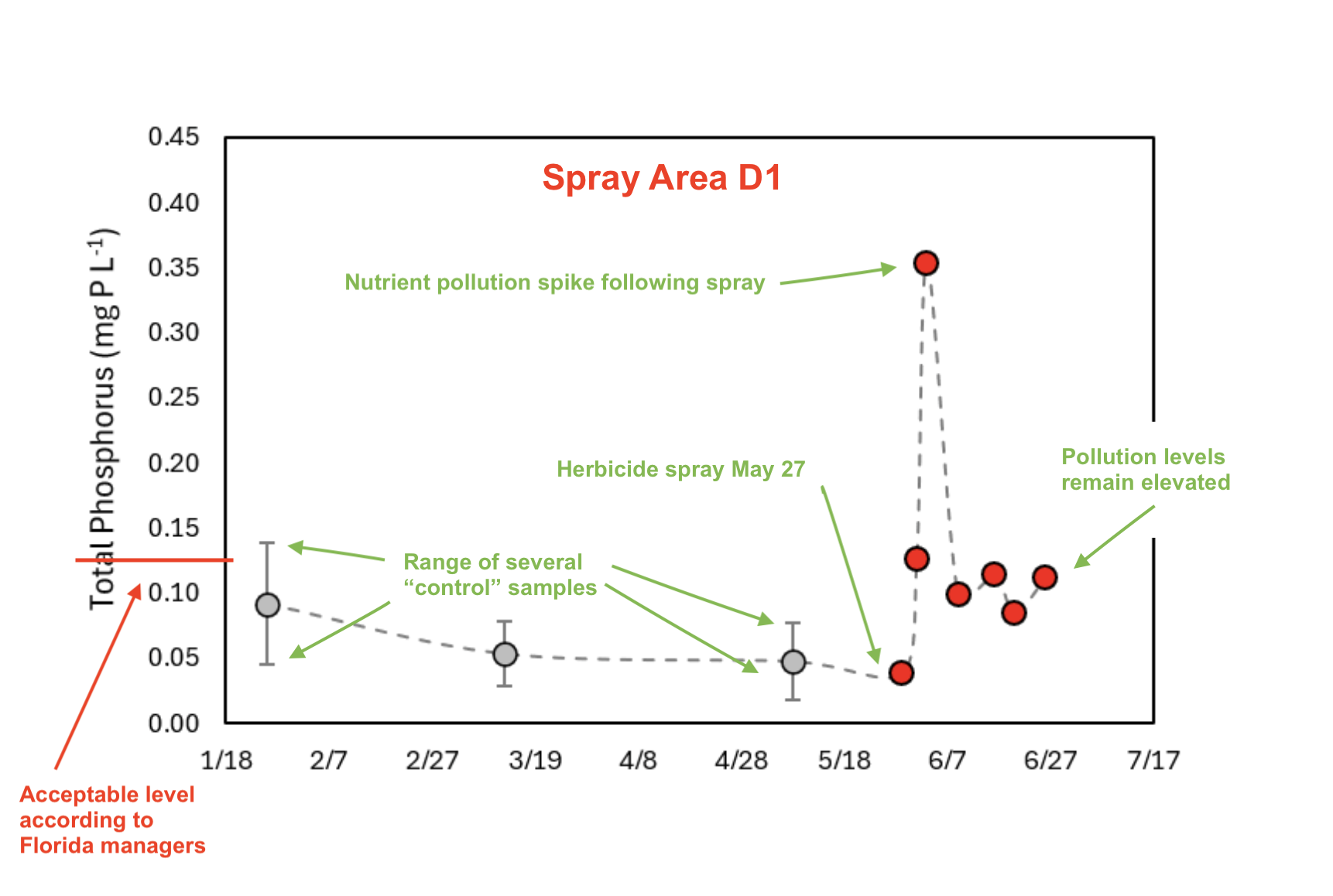
Our data confirms: nothing surges nutrients like herbicide sprays.
What we found was shocking. Nutrient pollution following herbicide sprays is off the charts. In fact, on most occasions, nutrient levels climbed 300% or more following treatments.
Why is that? Quite simply, the high levels of nutrients in our waters grow lots of plants, often undesirable, “invasive species” like water hyacinths. Killing hyacinths with herbicides releases most of the nutrients from those plants back into the water.
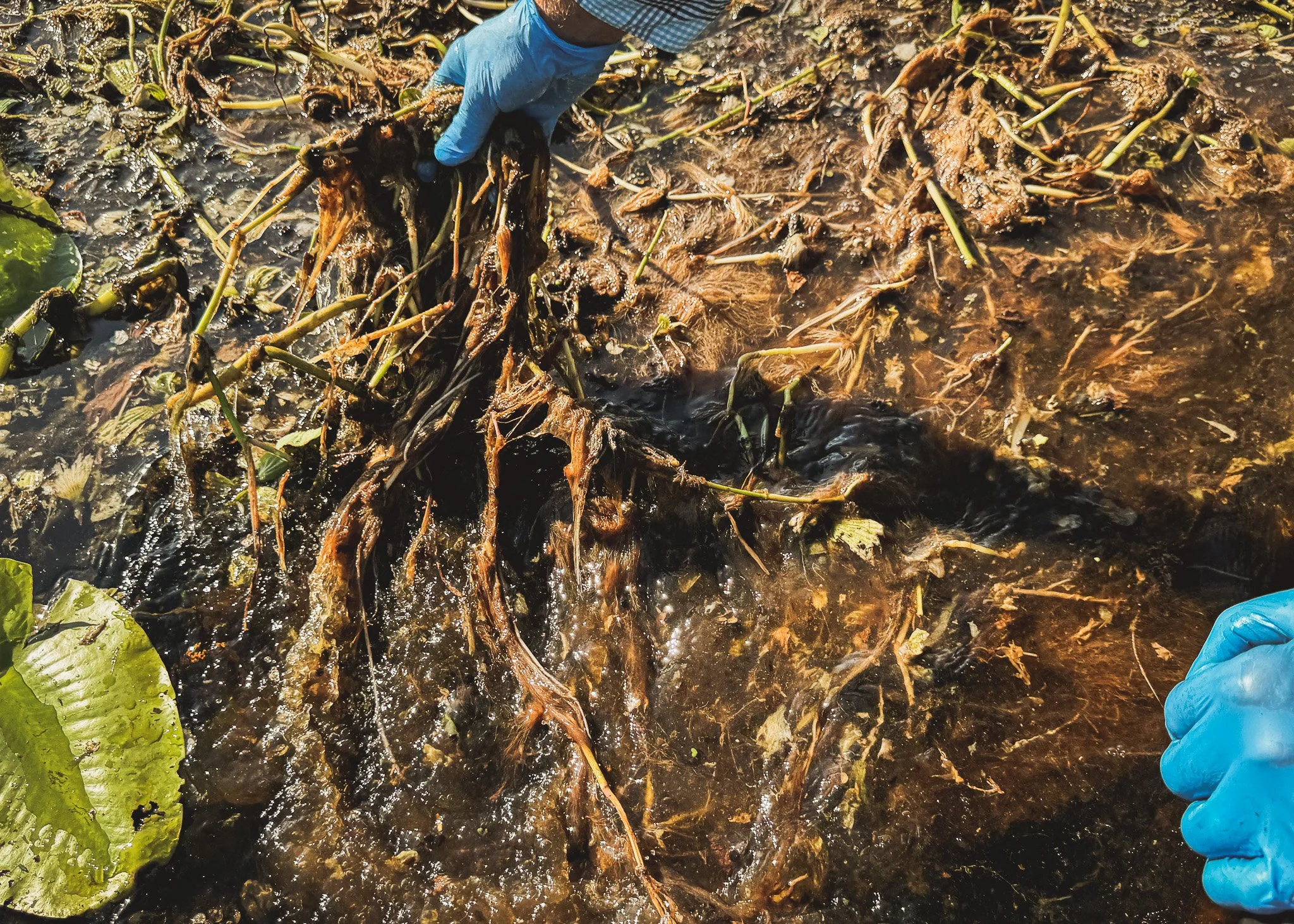
Dead plants = nutrient pollution. Removing plants = nutrient reduction.
Remember our fertilizer example: nutrients cause plant growth. Once dead, however, those plants no longer require the nutrients and therefore release them back into the environment. In the case of our gardens, that release can be beneficial, composting the nutrients into the soil and promoting more growth.
In our nutrient-filled river, however, that surge of additional nutrients is bad and comes in the form of pollution. Management with herbicides simply recycles the nutrients back into the system.
Even more concerning, that recycling still leads to plant growth, just like in our garden. But instead of growing vegetables, systems like the St. Johns River grow undesirable algae and more invasive plants.
If you’ve been following along, you’re correct in concluding:
Herbicide use to kill invasive plants is promoting the growth of more invasive plants.
Without question - and beyond any reasonable scientific debate - the use of aquatic herbicides to treat plants like water hyacinths and water lettuce is creating an environment where those plants thrive. Managers are making the situation worse.
But they could be making it better. Removing those plants from the system using manual or mechanical methods would remove the nutrients contained within the plants. We’d reduce nutrient loading and, with that, be working toward our goal instead of away from it.
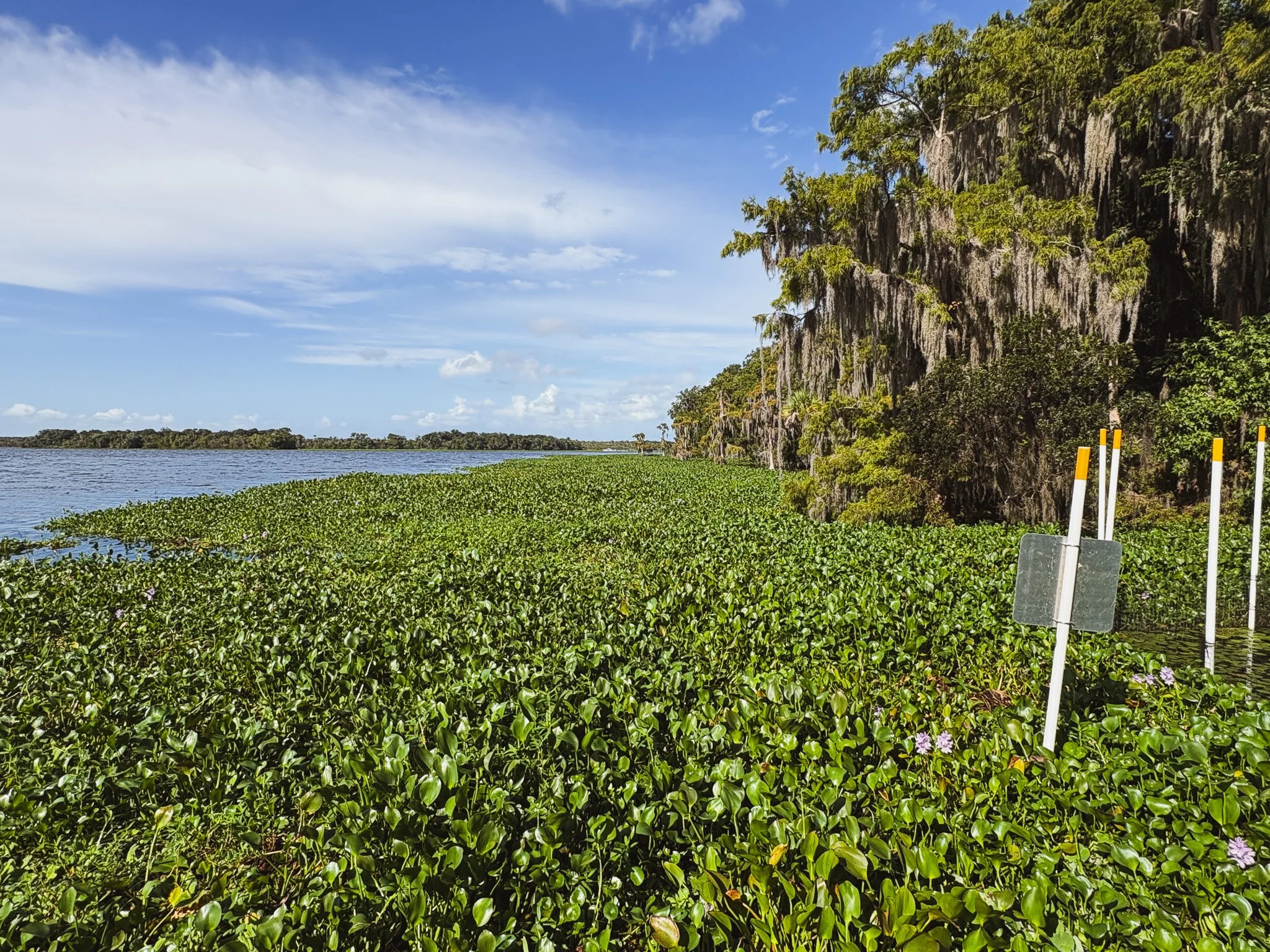
Fast-growing water hyacinths can be easily removed, taking pollutants with them.
Seems simple enough, doesn’t it?
Certainly the scientists behind our managing agencies are capable of understanding this basic principle of water ecology. So why, then, haven’t they incorporated the concept into their plans?
We’re asking them. At the same time, we’re organizing meetings and offering field trips to introduce decision-makers to working alternatives. There are places in the world - even here in Florida - where aquatic plants are being harvested as a means of nutrient reduction. And it’s working, improving habitat while curtailing pollution. Even better, the method is proven to reduce the success of invasive plants over time.
Our organization was put in place to end the decline of the St. John River. After three years of study, we’re certain that can only come with a move away from aquatic herbicides.
You can help that happen. If you haven’t signed up for a membership to Mighty River Recovery, do so now. It’s totally free and increases our influence.
To help even more, donate here. We’re totally independent and funded by people like you.